
Design Partnership Programme

SentinelQX is an MVP fraud and risk intelligence system for UK housing procurement teams. We're inviting early partners to co-design the system, collaborate and validate outputs, and shape the roadmap through a structured assessment process — with the possibility of progressing to pilot.
Express interest in design/pilot participationImplementing automated fraud and anomaly detection provides significant financial upside and operational security for UK housing authorities and associations.
Real screenshots showing how the system detects risk, provides explanations, and supports your procurement decisions.
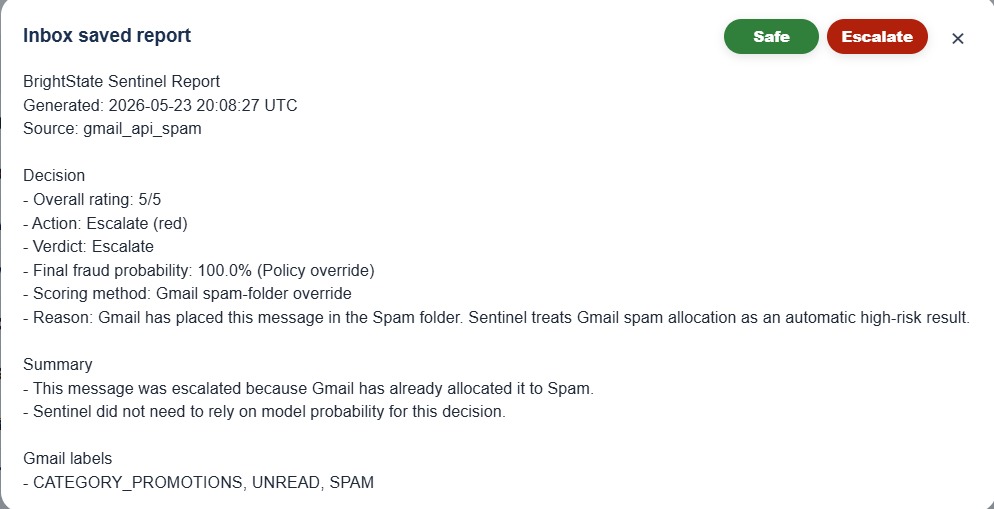
Automated analysis of invoices, purchase orders, and procurement documents.
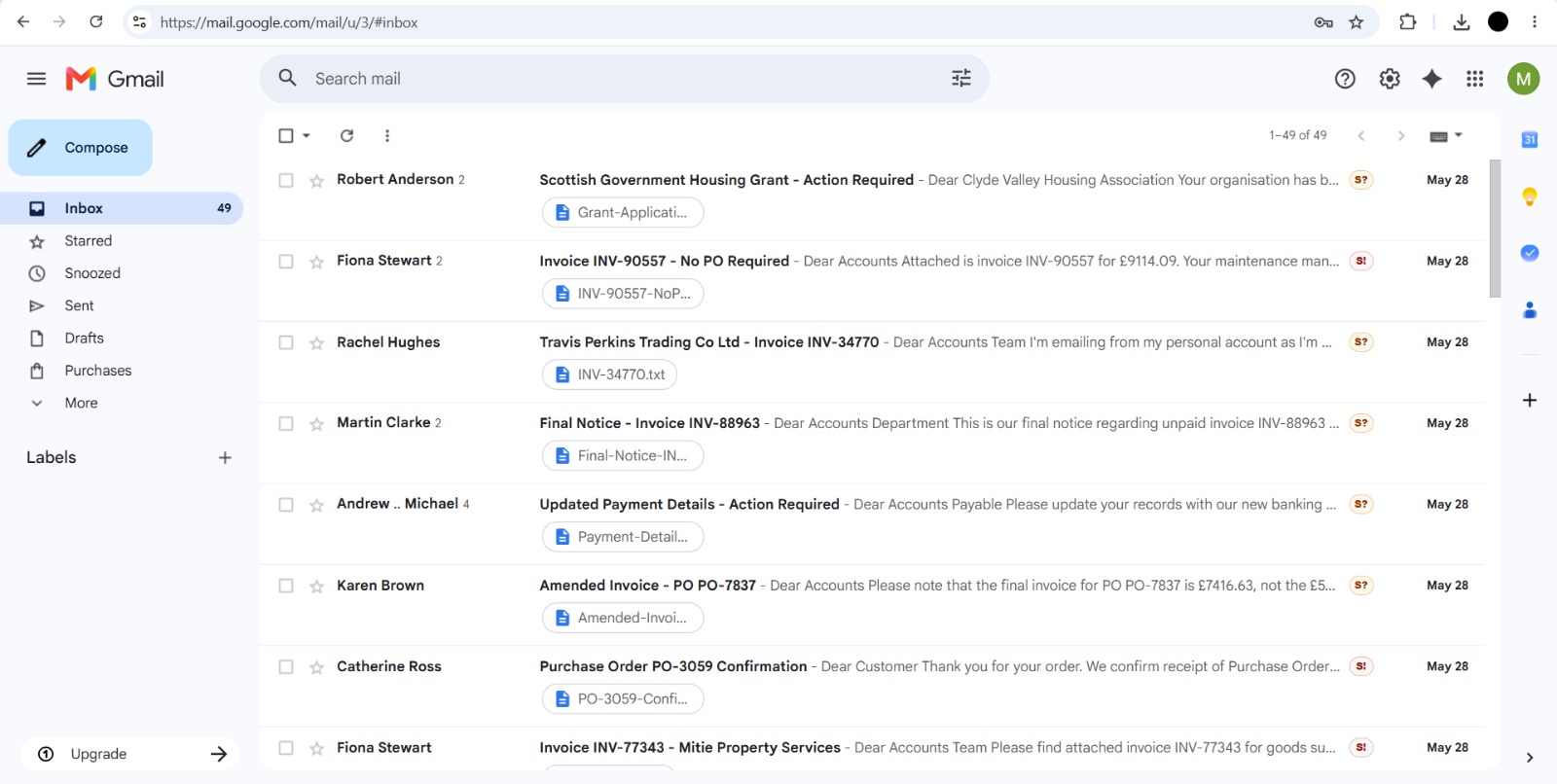
Seamless detection of suspicious emails and invoice attachments in your workflow.
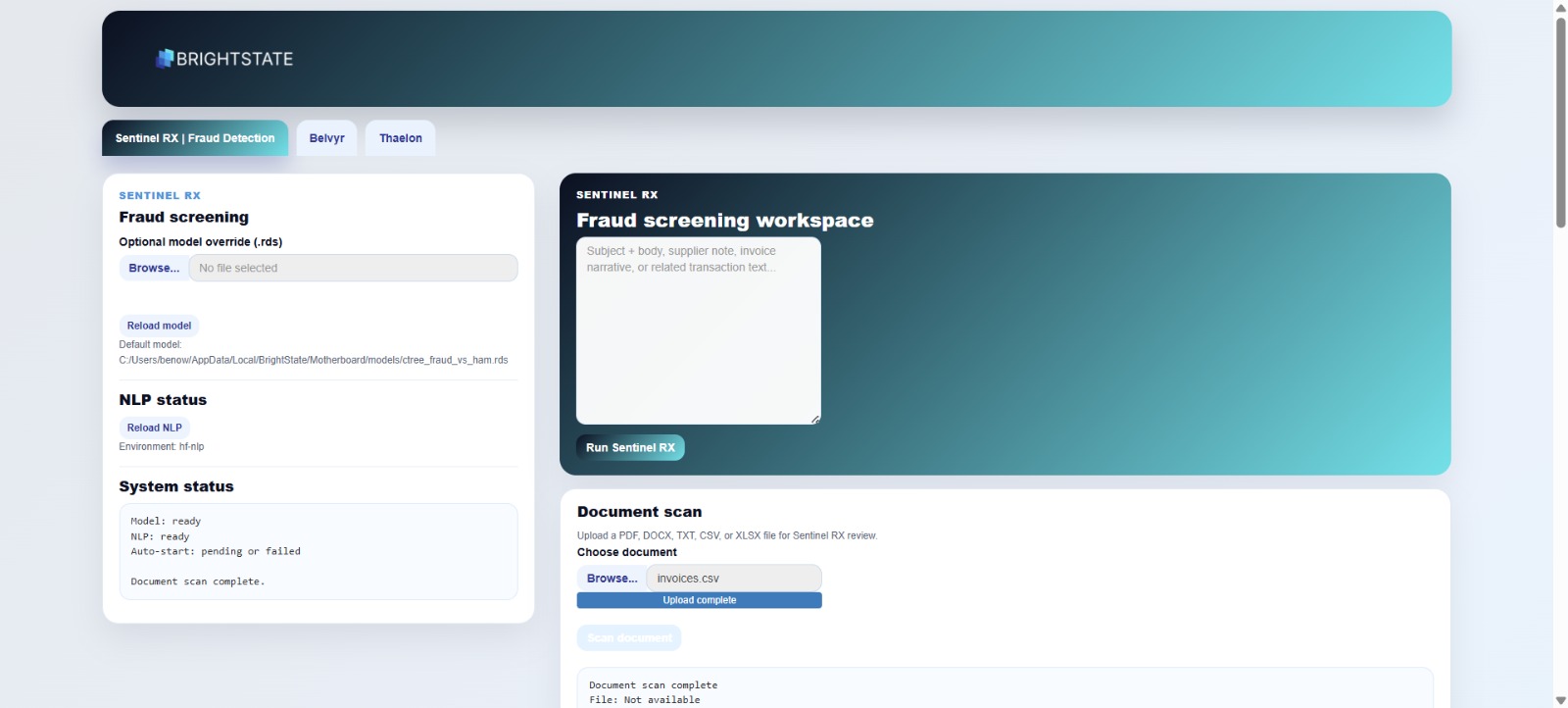
Real-time risk analysis interface showing how SentinelQX processes incoming transactions.
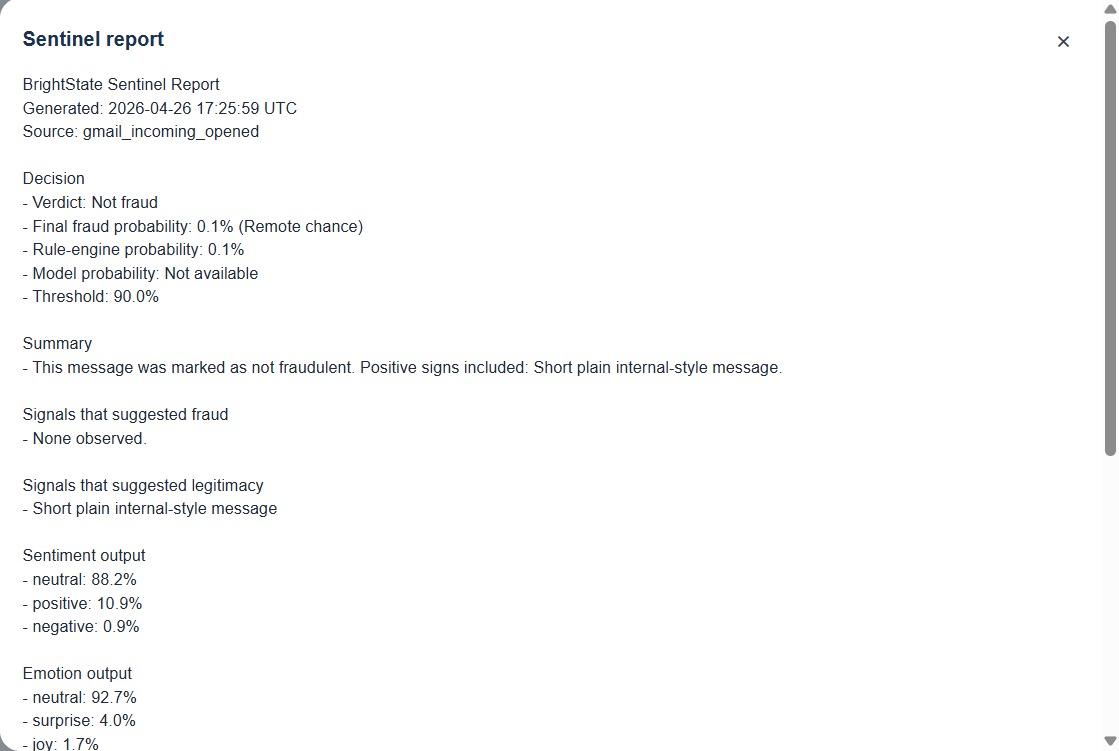
Clear verdict explanations with confidence scores and audit trail documentation.
High transaction volumes mean genuine risks get missed while alert fatigue from false alarms creates decision inconsistency across teams.
Weak audit trails and staff-dependent judgments make it harder to demonstrate governance maturity or defend decisions during regulatory review.
SentinelQX is an AI-assisted triage tool trained on UK housing procurement data to flag anomalies such as inflated invoices, urgent bypass requests, bank detail changes, and supplier mismatches.
The system produces verdicts (NO_CONCERN, REVIEW, ESCALATE) with plain-language rationale and confidence scores, always placing human procurement teams in the final decision-making role.
Audit trails, explainable reasoning, and adjustable thresholds ensure transparency and proportionality, aligning with UNESCO human oversight principles, OECD explainability standards, and EU/UK risk-based governance frameworks.
Early access to MVP capability with co-design input — your feedback directly influences threshold calibration, fraud module prioritization, and interface design.
Documented outcomes and governance evidence you can use for internal assurance reports, audit responses, and control maturity assessments.
Join a peer network of housing authorities testing governance innovation together, with structured evaluation reports and shared learning across the pilot cohort.
Weekly check-ins during stabilization phase, threshold tuning feedback, data quality partnership, and co-authored case study at pilot conclusion.
Bi-weekly reviews during steady operation, KPI validation, governance checklist completion, and anonymized results contribution.
BrightState is a member of the NVIDIA Inception Programme and TechScaler cohort, with technical validation from AI accelerator partners.
SentinelQX is designed around UNESCO human oversight requirements, OECD transparency principles, and EU/UK risk-based AI governance frameworks from day one.
All pilot participants receive signed Data Processing Agreements, compliance alignment documentation, and control over data retention and deletion processes.
The 8-phase pilot process includes governance readiness checks, model cards with explainable reasoning, and documented audit trails at every decision point.
30-minute scoping call to confirm pilot objectives, data requirements, decision-maker sign-off, and success criteria — with signed pilot agreement and assigned account owner.
Self-scored governance checklist, 30-minute alignment call, and signed Data Processing Agreement to confirm legal, operational, and compliance preparedness before data ingestion.
Technical connection to procurement data, threshold configuration, user account creation, and one-page model card explaining what SentinelQX flags and why.
60-minute team training with 10 test cases, hands-on override practice, live data activation, and SLA documentation for support and escalation.
Weekly flag reports, 30-minute review calls, false-positive rate monitoring, and real-time threshold tuning based on your team's feedback.
Bi-weekly check-ins, monthly rolling reports, risk re-assessment notes, and consistent performance monitoring as the system proves reliability over time.
Final pilot report with fraud detection outcomes, time-saved metrics, model performance summary, and 60-minute results discussion.
Renewal proposal with three options (continue, upgrade, or pause), secure data archive or deletion, and documented lessons for both parties.